Prepare for GS1 Sunrise 2027 and the transition from 1D to 2D barcodes with OMRON
Published on 10 March 2026 in Brand Protection
The shift from 1D to 2D barcodes is the most significant change to product identification in decades. GS1’s Sunrise 2027 initiative sets the expectation that systems across retail and supply chains are capable of scanning and processing 2D symbols, such as Data Matrix, QR, and GS1 Digital Link, to enable richer data, stronger traceability, and enhanced consumer transparency.
We support manufacturers and machine builders throughout this transition by providing an integrated barcode reading and verification ecosystem designed to support accuracy, compliance, and long-term operational reliability.
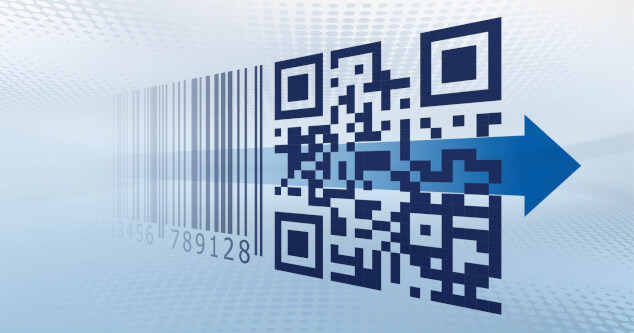
Key goals and benefits of GS1 Sunrise
The motivation and drivers stem from the requirement for better traceability and product verification, as well as the collection of additional consumer data at the point of sale. Across supply chains, brand owners and retailers envisage 2D data carriers as a way to cut waste, streamline production and logistics, and obtain a tighter control over inventory.
By 2027, GS1’s expectation is that 2D symbols will scan just as reliably and effortlessly as today’s UPC/EAN barcodes, opening the pathway to a more connected and data-driven supply chain.
Why move to 2D barcodes?
- More data in less space:
Encode batch numbers, expiry dates, production details, serialisation data, and URLs. - Higher readability:
Built-in error correction improves decoding, even on low-contrast or damaged codes. - Improved supply chain traceability:
Real-time tracking strengthens auditability, recall readiness, and regulatory compliance. - Consumer transparency:
GS1 Digital Link connects customers directly to trusted, dynamic product information.
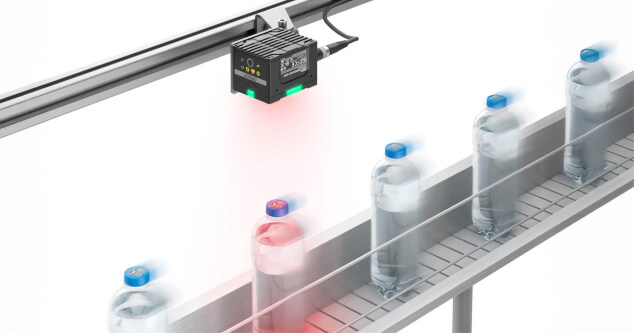
How OMRON supports the transition
OMRON provides both inline and offline solutions to support 2D barcode reading, grading, and data validation across production and packaging operations.
VHV5 Inline Code Readers & Verifiers
- High read rates on 2D, 1D, and mixed-code environments
- Simple setup with auto-tuning
- Intuitive Web UI interface.
- Inline ISO grading
- GS1- and ISO-compliant barcode grading
- Full offline and inline verification
- Structured data validation
- Predictive quality assurance through trend reporting
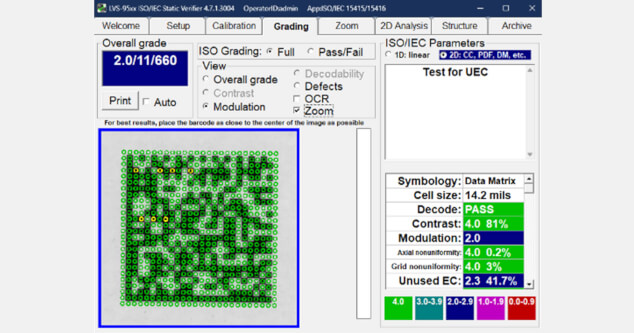
OMRON’s predictive quality ecosystem
This hybrid approach supports predictive maintenance, reduces downtime, and ensures compliance before issues escalate.
Your path to Sunrise 2027 readiness with OMRON
- Audit barcode processes
- Define GS1-required data
- Test 2D printing with LVS verification
- Deploy VHV5 inline and LVS inspection offline
- Train staff
- Scale across multiple lines
Why OMRON? Barcode Verification Leadership
For over four decades, OMRON has delivered industry-leading solutions used across pharmaceuticals, medical devices, food, and packaging. Today, OMRON provides complete, end-to-end barcode quality assurance, from offline LVS desktop verifiers to inline inspection systems like the V275 and VHV5.
OMRON’s unified ecosystem gives manufacturers:
- Reliable ISO/GS1-compliant verification
- Consistent print quality control
- High-performance decoding powered by LVS algorithms
- A single expert partner for compliance, quality, and traceability